Strike

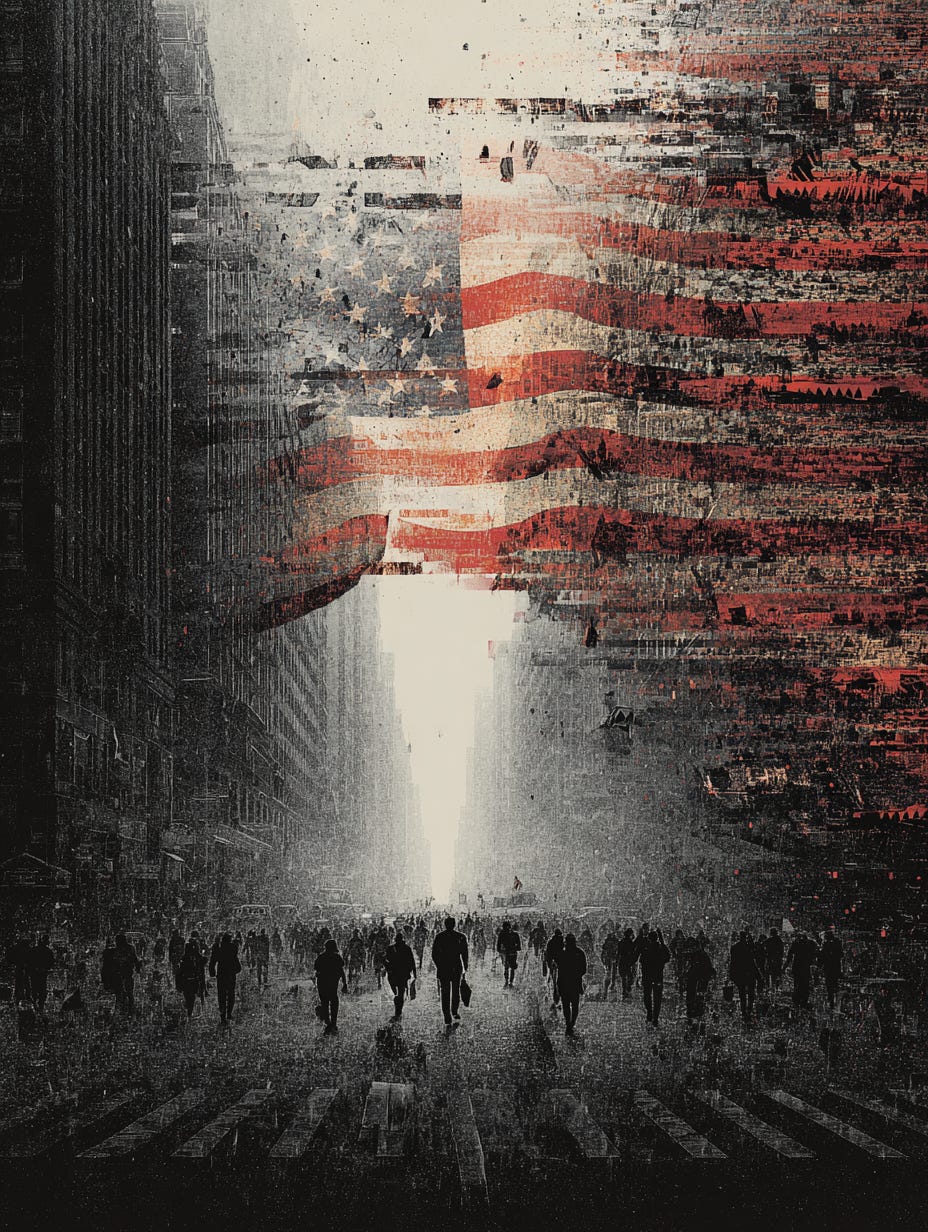
On Friday, January 23, 2026, Minnesota saw a statewide “economic blackout” against ICE. Reports said tens of thousands marched in Minneapolis, and more than 700 businesses closed in solidarity.
A few days later, more than 60 CEOs of major Minnesota-based companies signed a public letter calling for “de-escalation.” Now organizers are calling for a nationwide shutdown on Friday, January 30, 2026—no work, no school, no shopping.
Modern societies run on routine. Millions of people wake up, go to work, follow rules, buy things, move goods, teach kids, and keep the whole machine running. That routine makes institutions feel permanent.
But institutions are held together by people’s habits and patterns. A general strike pulls on the most sensitive part of the system: labor and money.
Leaders do not simply “have” power. Power is something we all help keep going, every day, through participation.
So when people feel normal politics isn’t working—when enforcement feels scary, unpredictable, and out of control—“call your representative” starts to sound empty. “Wait for the next election” can feel like surrender.
People look for leverage that works now. They coordinate and try to force powerful institutions to respond.
A general strike is leverage because it moves from asking to pressuring.
Protests and votes are ways to speak. A strike is a way to apply pressure by cutting off what the system depends on: workers showing up, and people spending money. When enough workers stop working and enough people stop buying, services slow down, revenue drops, and leaders feel the cost.
That’s why the idea is spreading beyond Minnesota. Local action can be isolated. Power can wait out one city, let that community burn out, and keep running elsewhere. City-by-city resistance becomes a rotating sacrifice.
A national shutdown changes that. It spreads risk across more people and concentrates pressure closer to the people making decisions.
But a one-day shutdown doesn’t win anything by itself. It’s a test. A rehearsal. A way to measure whether people will show up when it costs something.
If we treat a test run like the finish line, we set people up for disappointment. If we treat it like a step, something to build on, we get stronger.
Participate:
If too few people participate, the system absorbs the hit and moves on. The people who took the risk get punished, and the powerful learn they can withstand it.
If enough people participate, disruption spreads through the economy, and negotiation becomes the smart option.
Coordinate:
A general strike can’t be built on a hashtag. It has to be built workplace by workplace and sector by sector. That’s why unions matter. They are coordination systems: communication networks, experienced organizers, and strike funds that help people survive while they withhold labor.
Without strong labor participation across industries, “general strike” can turn into a consumer boycott and a march. That still matters. It can be powerful. But it is not the same thing, and people can feel the difference.
Protect:
Most people can’t miss pay without getting hurt. Ignoring that reality is careless.
If you want working people to join, you need mutual aid, strike support, and clear guidance that helps people reduce risk.
Don’t ask desperate people to take risks you aren’t willing to help carry.
Clarity:
A movement needs specific, measurable demands. Say exactly what you want, and how we’ll know we got it. No vague slogans. Don’t chase attention as the goal.
Celebrity posts can spread the message, but they can also attract people who want to take over the story, politicians looking for a photo, corporations trying to calm things down without changing anything, and media trying to turn a real struggle into a quick headline.
Demands must be set by the people: organizers, workers, and affected communities. Not celebrities, politicians, or brands.
Remind institutions, leaders, and corporations of the basic truth: nothing runs without the people who do the work and participate in the system.
Organized refusal scares power because it can suppress a protest and spin a story, but it can’t easily force millions of people to make the system run smoothly.
Americans have a historic opportunity to build real infrastructure for nationwide, grassroots civic action.
With coordination, protection, clear demands, and growing participation, each shutdown becomes a step toward something bigger.
That’s how power comes back into the hands of the people.